01
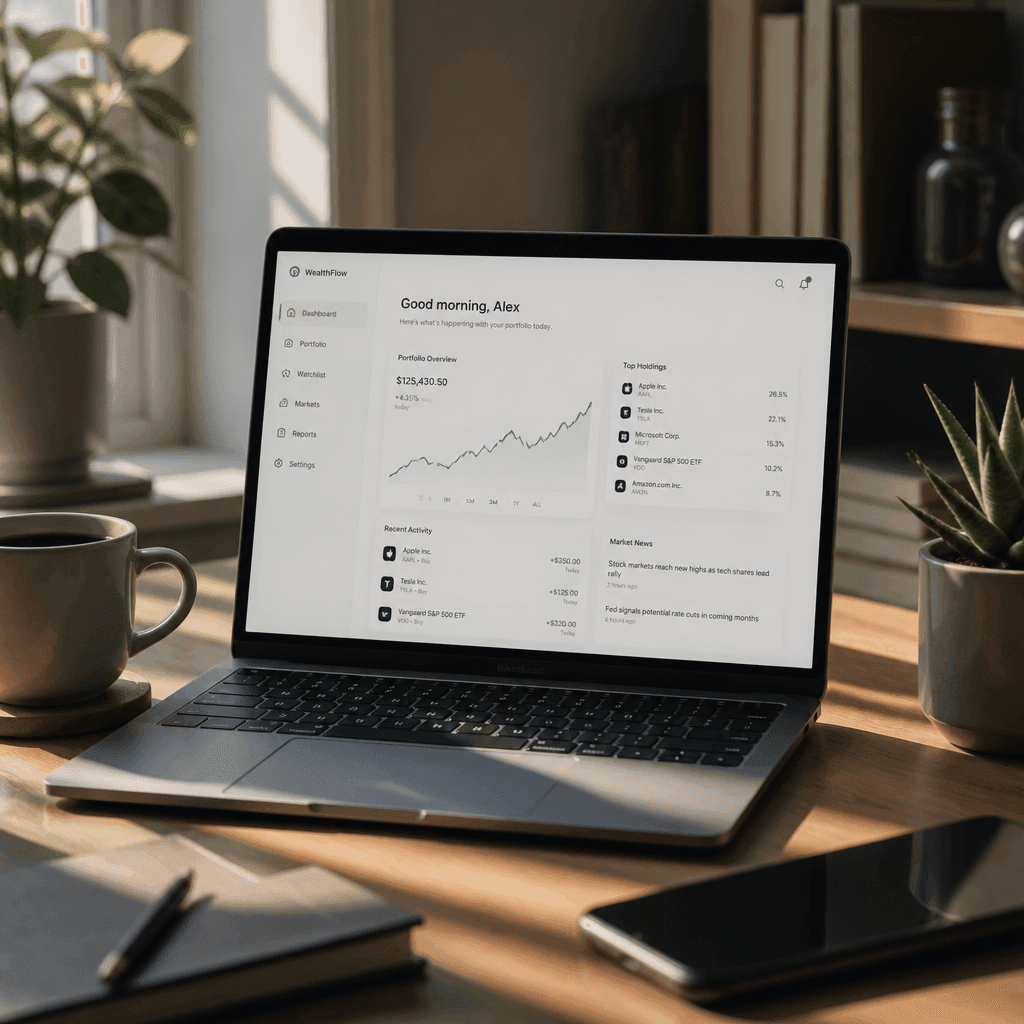
Project set-up
- Define tasks & objectives
- Add URL or Figma link
- AI generates discussion guide
- Fully editable before launch

We combine task-based usability testing with AI-moderated qualitative follow-up in a single session — giving you behavioural evidence of what users actually do, and the human depth to understand why they do it. No separate studies. No fragmented data. One connected picture.
Trusted by brand and insight teams at









 Functional, but fragmentedGood task-based testing toolsScreen recording and click trackingSlow recruitment, especially for B2BRegistration walls cause drop-offSiloed from the rest of your researchDeep, but slow and expensiveRich qualitative insightReal consumer reasoningTakes weeks to field at scaleExpensive and hard to globaliseCannot connect to broader research ecosystem
 How we do it
Participants complete predefined tasks on a live website or Figma prototype while sharing their screen. The AI moderator then analyses the recording and guides them through reflective follow-up conversations — all in one seamless session.
01
02
03
04
After each task, the platform performs a two-layer analysis so you get both the behavioural evidence and the human reasoning behind it, in a single report.
The AI reviews each screen recording to confirm whether the task was completed successfully and how the user navigated. If the task was not completed, the session still closes — the AI does not prompt the participant to retry.
Recorded interactions during task completion are analysed alongside spoken reflections, surfacing usability issues, friction points, and behavioural patterns that quantitative click data alone cannot reveal.
Via our API, participants access the study directly without creating an account.
What typically takes weeks on traditional UX platforms, we deliver in under 48 hours across multiple markets simultaneously.
Unlike standard UX reports that simply flag design problems, our reports are structured to give clear strategic direction — tailored separately for designers, product teams, and marketing, so every stakeholder knows exactly what to do next.
UX doesn't have to be a standalone silo. Upload your existing brand, segmentation, or innovation research and combine it with UX findings — giving stakeholders a 360° view instead of disconnected data points.
 In Practice
How teams use Bolt Intelligence to make product decisions they can actually defend.
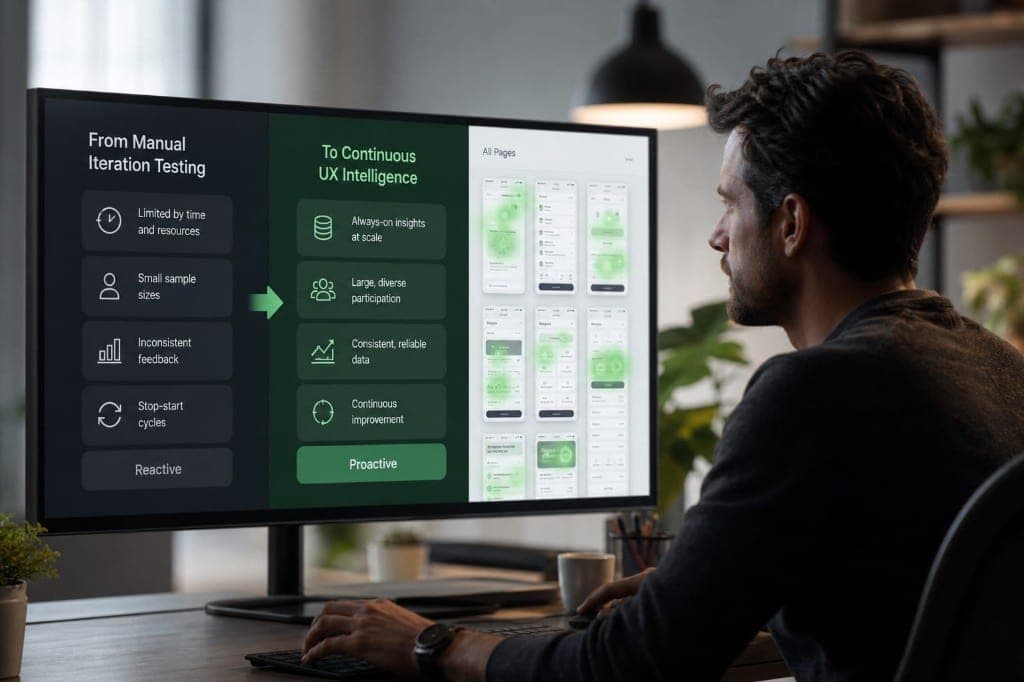
Finance case study
Challenge: Usability testing was conducted manually for each iteration, making the process time-consuming, difficult to scale across multiple app pages, and a significant barrier to speed-to-market. At the same time, the team needed deeper, more actionable insights than manual testing could provide.
Read More: From manual iteration testing to a continuous UX intelligence programme
Get started
See how Bolt Intelligence turns consumer research into living, activatable segments your whole organisation can work with.
